The four temperaments in love
“Why does one of you want to talk it out now while the other needs space?”
Your natural wiring: how you react, what you need, and why some people feel easy to love.


Sanguine
The Enthusiast
Warm, social and expressive. Needs fun, praise and connection to feel loved.
- Best match
- Phlegmatic: their calm grounds your energy.
- Most common clash
- Melancholic: your spontaneity meets their need for a plan.

Choleric
The Leader
Driven and decisive. Needs respect, loyalty and a partner who keeps up.
- Best match
- Sanguine: your drive fuels their enthusiasm.
- Most common clash
- Another Choleric: two leaders both reach for the wheel.

Melancholic
The Deep Thinker
Thoughtful and loyal. Needs depth, consistency and to feel truly understood.
- Best match
- Phlegmatic: patient, peaceful and happy to go deep.
- Most common clash
- Sanguine: their free spirit unsettles your need for order.
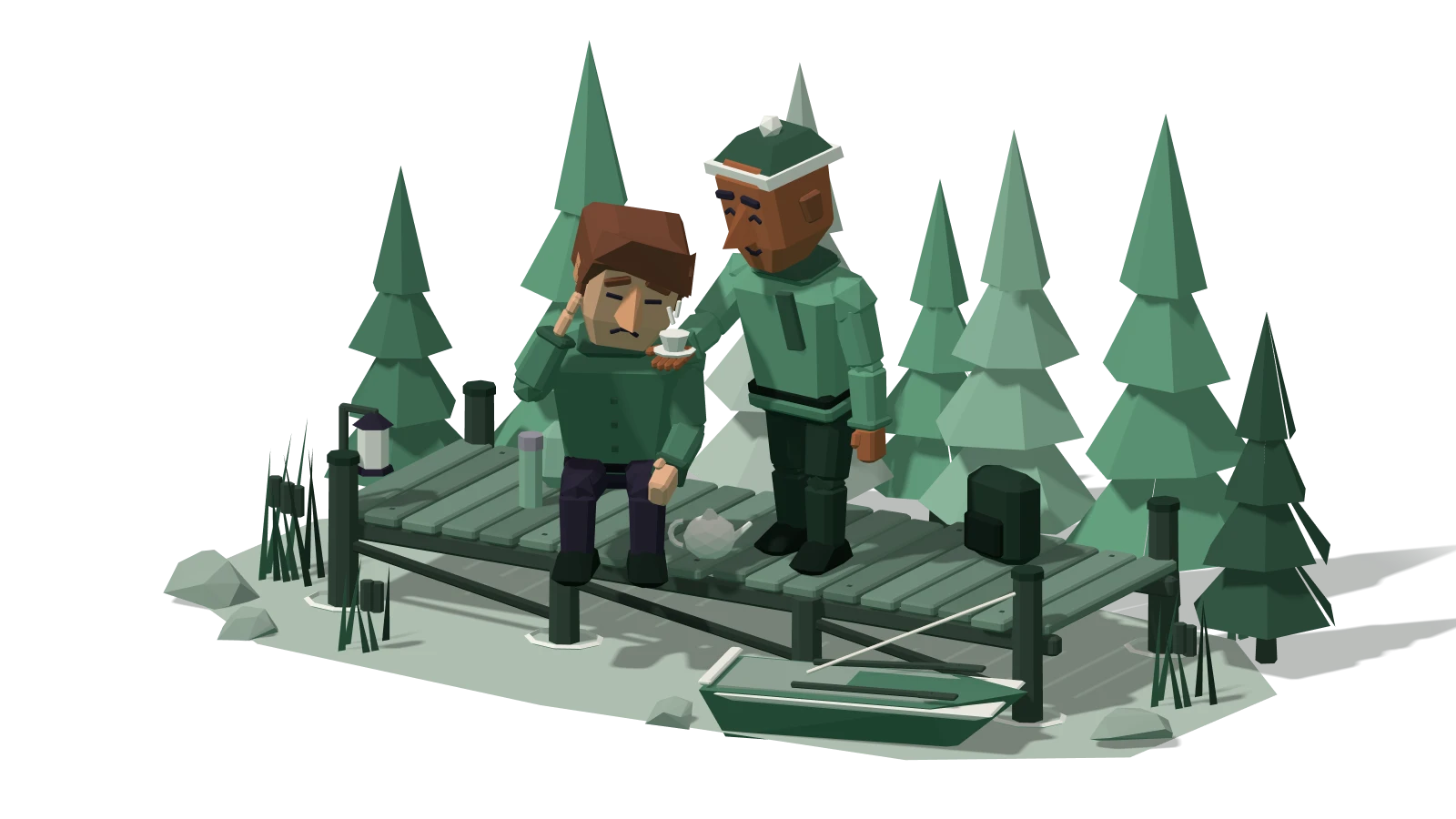
Phlegmatic
The Peacemaker
Calm and steady. Needs peace, patience and quiet, reliable affection.
- Best match
- Sanguine: they bring the spark, you bring the calm.
- Most common clash
- Choleric: their pace pushes you to go quiet to keep the peace.
Who clashes, who balances
How the four temperaments pair up
| Sanguine | Choleric | Melancholic | Phlegmatic | |
|---|---|---|---|---|
| Sanguine | Takes work | Balances | Clashes | Balances |
| Choleric | Balances | Clashes | Takes work | Takes work |
| Melancholic | Clashes | Takes work | Takes work | Balances |
| Phlegmatic | Balances | Takes work | Balances | Takes work |
- Balances
- Takes work
- Clashes
Questions people ask
The four temperaments are Sanguine (enthusiastic and social), Choleric (driven and decisive), Melancholic (thoughtful and deep) and Phlegmatic (calm and steady). The model goes back to Hippocrates and describes your natural energy and emotional style.
Opposites often balance each other: Sanguine with Phlegmatic and Melancholic with Phlegmatic tend to pair most easily, while Sanguine with Melancholic and two Cholerics clash more often. Any pairing can work when both partners understand each other's needs and love languages.
Sources
The four temperaments are a historical model, not a validated scientific one. Treat them as a reflective lens, and read the sources below for how they relate to modern personality research.
- Hippocratic and Galenic humoral theory (c. 400 BC to 2nd century AD), the historical origin of the four temperaments.
- Eysenck, H. J. (1967). The Biological Basis of Personality. Charles C. Thomas. Links the classical temperaments to extraversion and neuroticism.
Curious which one you are?
Find your temperament and love language in about 6 minutes, free, then see how you fit with your partner.
Find our affinity