The four temperaments: history and research
Are the four temperaments scientific?
Not in the modern sense. The four temperaments come from ancient humoral theory: Hippocrates and later Galen linked character to four bodily fluids. The biology was wrong, but the descriptions lasted.
In the 20th century Hans Eysenck showed the four types line up loosely with two modern traits, extraversion and emotional stability, and David Keirsey revived the word temperament for a four-type model of his own. Today psychologists measure personality with the Big Five, so treat your temperament as a reflective lens, not a diagnosis. The guides below cover each temperament in love.
- Hippocratic and Galenic humoral theory (c. 400 BC to 2nd century AD), the historical origin of the four temperaments.
- Eysenck, H. J. (1967). The Biological Basis of Personality. Charles C. Thomas. Links the classical temperaments to extraversion and neuroticism.
- Keirsey, D. (1998). Please Understand Me II. Prometheus Nemesis.
Temperaments
Guides in this topic
Sanguine: The Enthusiast
Sociable, expressive and optimistic, a partner who makes ordinary days feel shared and alive.
6 min readRead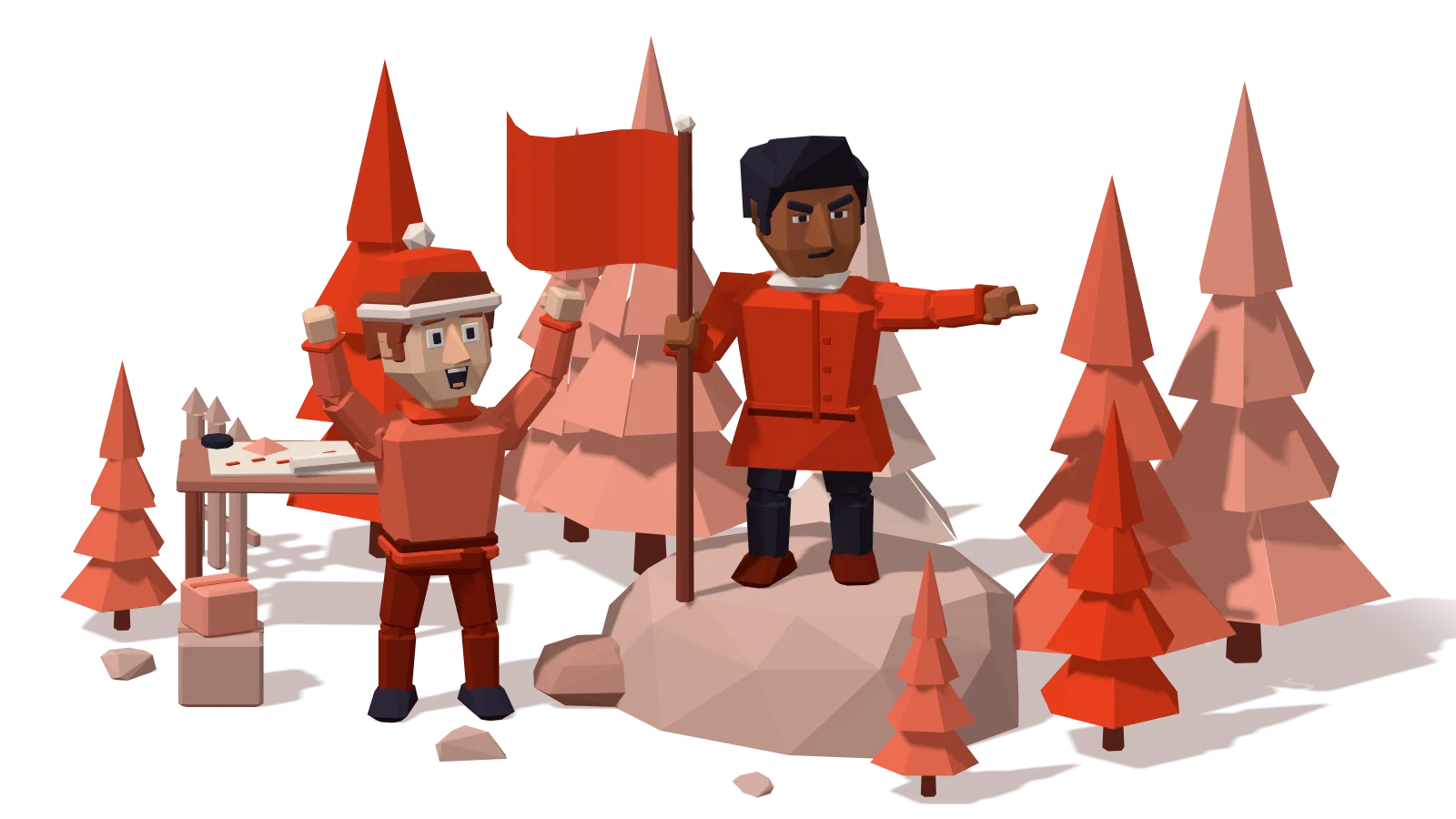
Choleric: The Leader
Decisive, ambitious and dependable, a partner who shows love by solving problems and building a secure life.
6 min readRead
Melancholic: The Deep Thinker
Reflective, detail-minded and deeply loyal, a partner who wants real depth and gets there carefully.
6 min readRead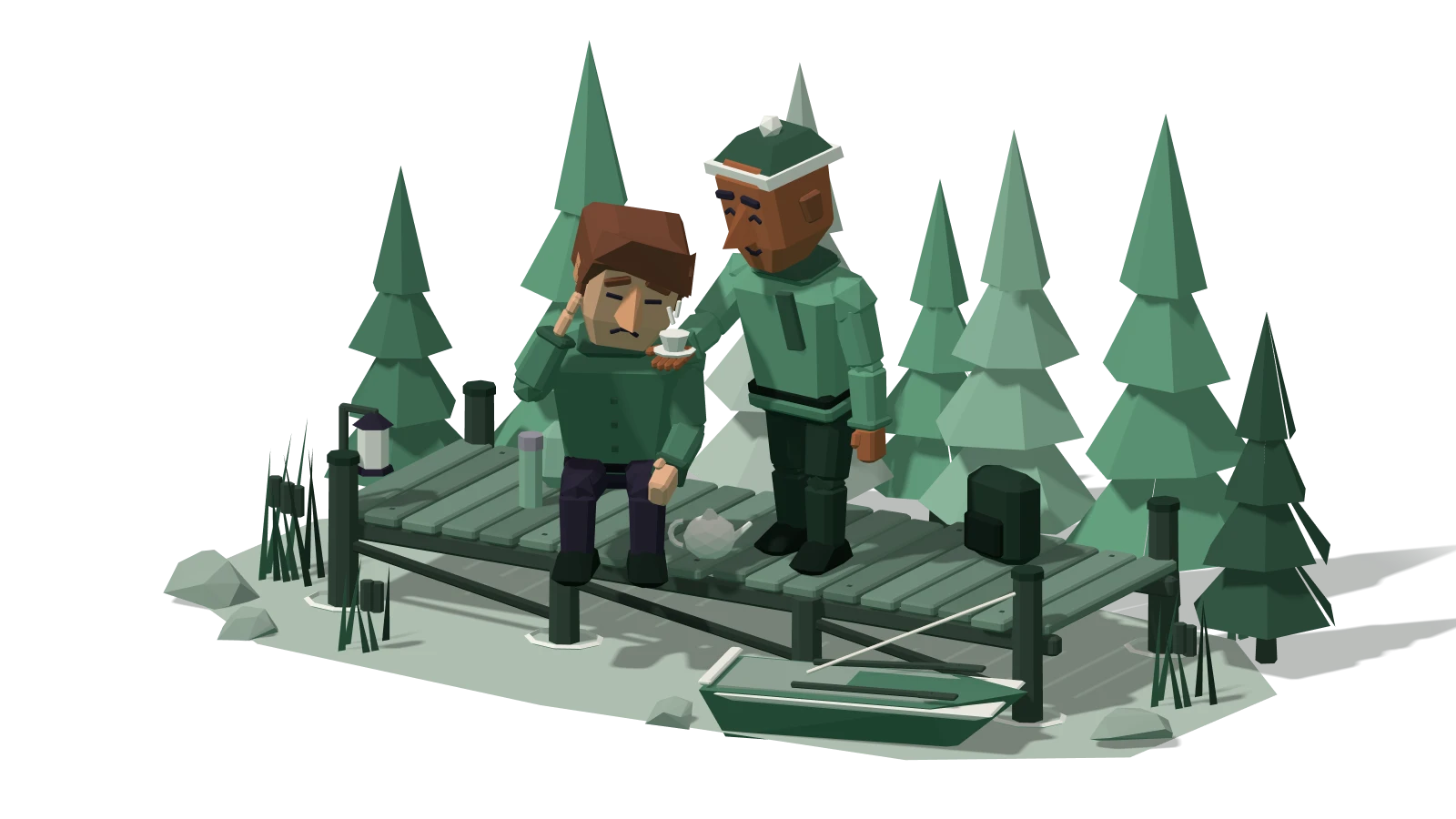
Phlegmatic: The Peacemaker
Calm, patient and reliable, a partner who keeps the peace and gives a relationship its stability.
6 min readRead
See how you and your partner fit
Take the free test, then invite your partner to see how your styles meet.
Find our affinity