- Strong evidence · 2 min read
Contempt
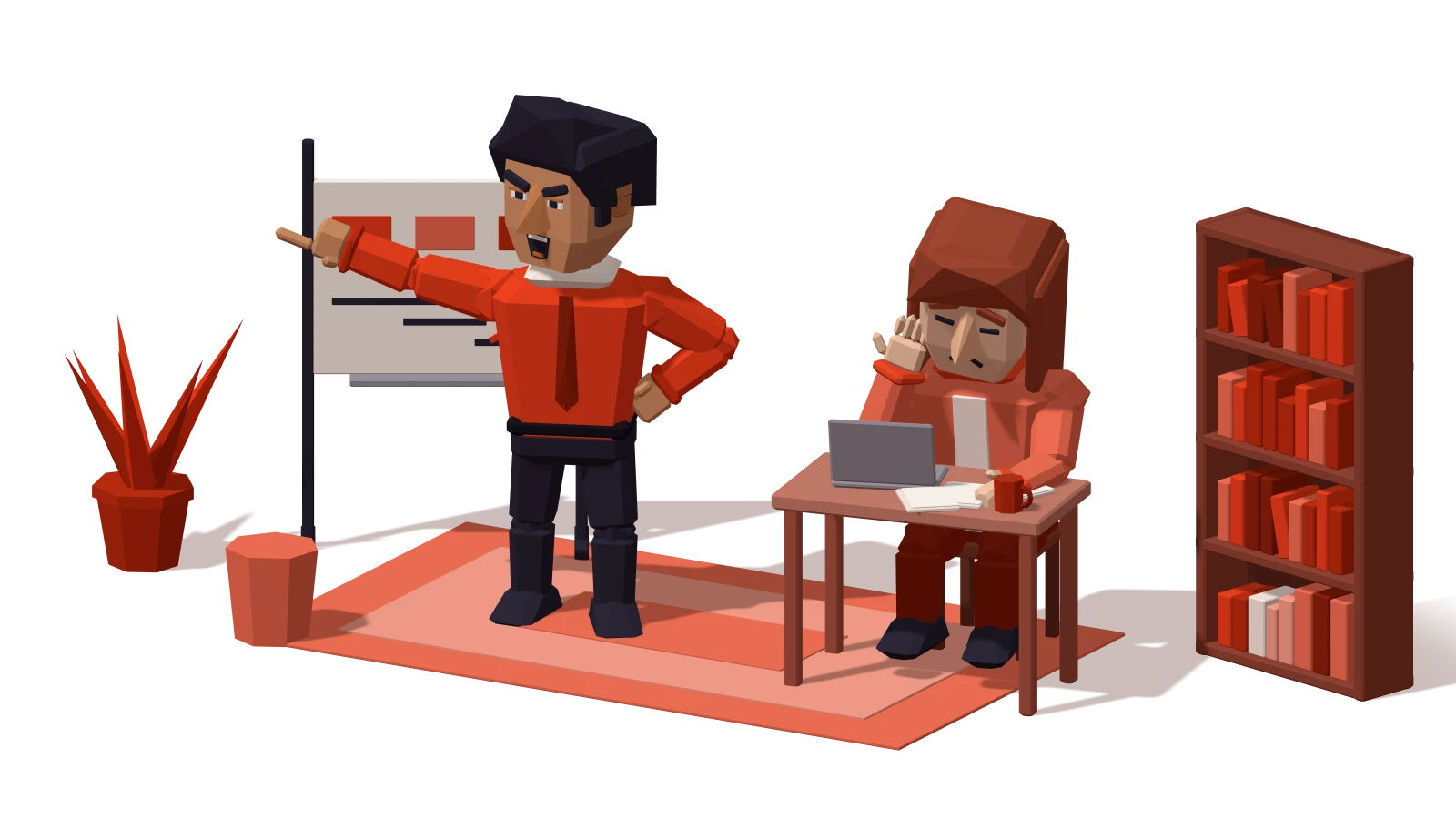
Treating a partner with disrespect or superiority.
Reviewed
On this page
Key takeaways
- Contempt is disrespect or superiority, such as sarcasm, mockery or eye-rolling.
- In Gottman's research it was the strongest predictor of relationship decline among the four patterns.
- The antidote is regular, specific appreciation and respect.
What does contempt look like?
- Sarcasm, mockery, name-calling or eye-rolling.
- Speaking as though you are better than your partner.
Why it hurts
In Gottman's research, contempt was the strongest predictor of relationship breakdown among the four patterns, because it communicates disgust, not disagreement.
Try this
The antidote
Build a culture of appreciation: regularly name what you value and respect in your partner.
Repair scripts
- 'I spoke to you with disrespect and I am sorry. I value you, and I want to talk about this properly.'
- 'Let me start again. What I appreciate about you is... and the thing I am struggling with is...'
Questions people ask
- Why is contempt the most damaging pattern?
- It communicates disgust rather than disagreement, which attacks the partner's worth and makes repair harder.
- Is sarcasm always contempt?
- Light teasing that both partners enjoy is different from sarcasm that mocks. The test is how it lands: contempt leaves the partner feeling smaller.
- Can a couple recover from contempt?
- Yes. Naming the pattern, apologising and building a habit of appreciation reduces it, though it takes consistent practice.
Further reading
Which pattern shows up when you argue?
Take the short couples conflict test to see your own pattern and the repair that suits it.
Take the couples conflict test