- Strong evidence · 2 min read
Stonewalling
Withdrawing from the conversation when overwhelmed.
Reviewed
On this page
Key takeaways
- Stonewalling is withdrawing from a conversation when overwhelmed.
- It often reflects feeling flooded, but a partner experiences it as being shut out.
- A planned break of about twenty minutes, with a stated time to return, is the antidote.
What does stonewalling look like?
- Silence, short answers, leaving the room or looking away.
- Appearing calm while feeling flooded.
Why it hurts
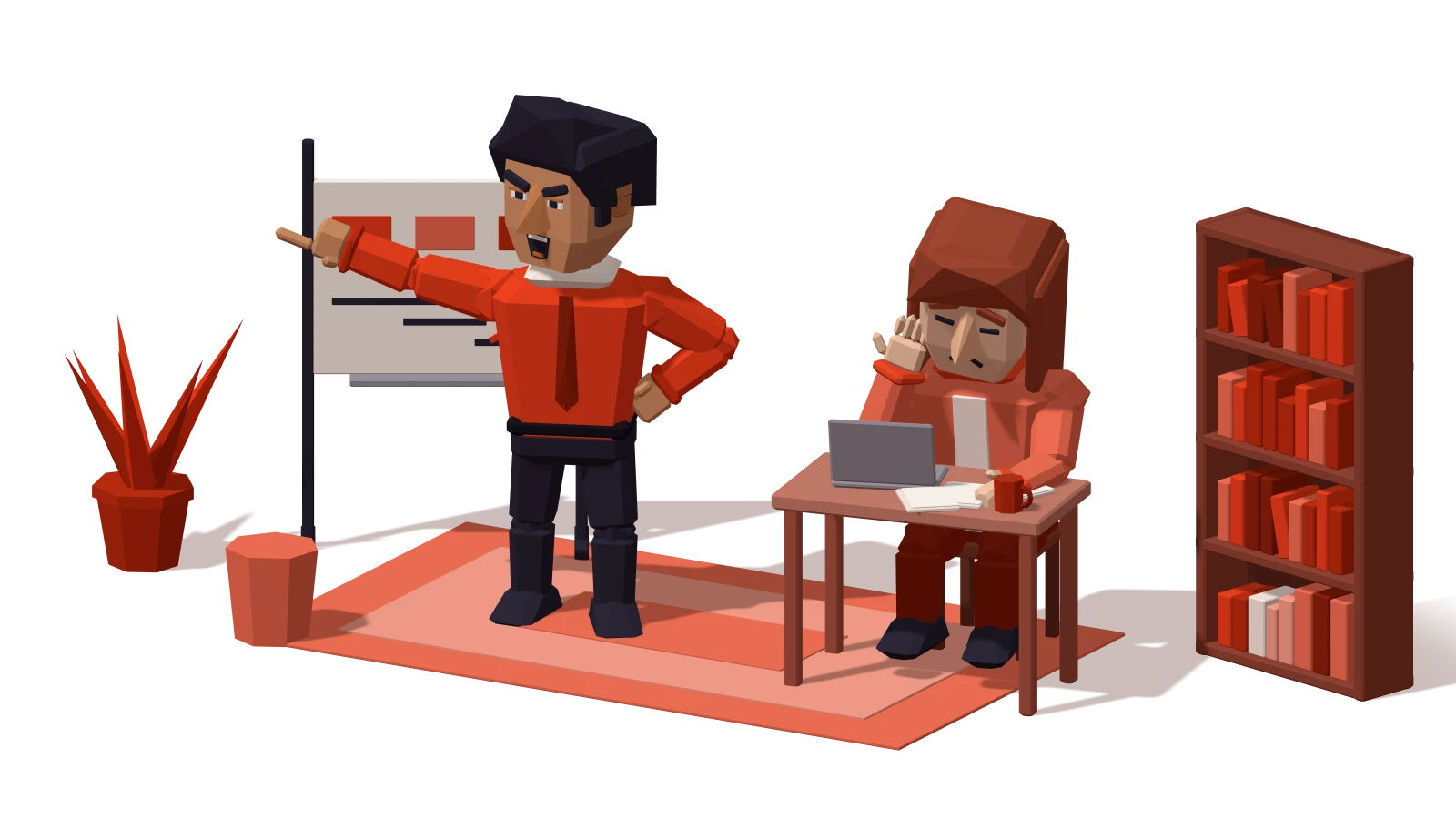
Stonewalling is often a response to feeling overwhelmed, but a partner experiences it as being shut out. Couples research links it to physiological flooding, and it is more common in the partner who is withdrawing under stress.
Try this
The antidote
Take a planned break of at least twenty minutes, say when you will return, and use the time to self-soothe, not to rehearse arguments.
Repair scripts
- 'I am feeling overwhelmed and I want to do this properly. Can we pause for thirty minutes and come back at eight?'
- 'I went quiet because it was too much, not because I do not care. I am ready to talk now.'
Questions people ask
- Is stonewalling the same as taking a break?
- No. A break is agreed, time-limited and ends with a return. Stonewalling is silence or leaving without saying when you will come back.
- Why do I shut down in arguments?
- Strong stress can leave a person physically overwhelmed, making it hard to think or talk. Stepping away to self-soothe helps.
- What should I do while taking a break?
- Do something calming and avoid rehearsing arguments. Then return at the time you named.
Further reading
Which pattern shows up when you argue?
Take the short couples conflict test to see your own pattern and the repair that suits it.
Take the couples conflict test